
Neck Pain Treatment in Scottsdale, AZ
When Neck Tension Becomes Constant
Neck pain often develops gradually. It may begin as stiffness after long hours at a desk, tension during stressful periods, or soreness after disrupted sleep. Over time, what was occasional discomfort can become a daily limitation.
You may find yourself stretching frequently, rotating cautiously, or experiencing tension that radiates into the shoulders or upper back. Persistent neck discomfort can affect concentration, posture, and overall energy.
At Royal Elevé, we recognize neck pain as more than localized strain. It often reflects altered neuromuscular coordination and prolonged tension patterns.

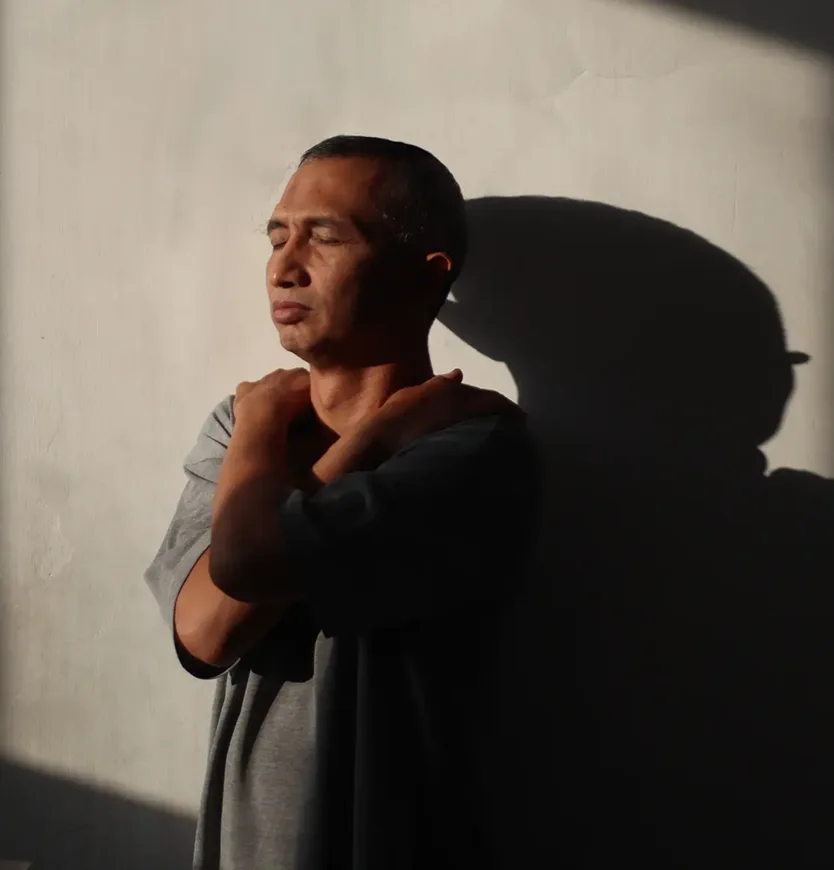
Why Tension Becomes Habitual
The neck plays a central role in posture and head positioning. Modern lifestyle patterns, including extended screen time, stress-related muscle guarding, and repetitive positioning, can disrupt muscular balance.
Common contributing factors may include:
- Forward head posture
- Underactive deep stabilizing muscles
- Compensatory shoulder tension
- Chronic stress response
- Reduced mobility following strain or injury
When stabilizing muscles are inhibited, larger superficial muscles overwork to compensate. This imbalance can reinforce discomfort and reduce the range of motion.
Persistent neck pain often reflects dysfunction in coordination, not simply inflammation.
The Royal Elevé Perspective on Neck Pain
At Royal Elevé, we evaluate how the nervous system communicates with cervical stabilizers and surrounding musculature.
Chronic tension can become a protective pattern. Muscles remain partially activated even at rest. Over time, this reduces mobility and increases fatigue.
Rather than focusing only on symptom relief, we assess:
- Where is muscular inhibition occurring?
- Which areas are compensating?
- How can balanced activation be restored?
Our physician-led approach emphasizes restoring functional alignment and neuromuscular efficiency.

How We Address Neck Pain
Care begins with a detailed functional evaluation of posture, muscular engagement, and movement coordination. Treatment may include:
- Postural & Cervical Stability Assessment. Evaluating head positioning, muscular imbalance, and neuromuscular coordination.
- Targeted Muscle Activation & Rebalancing. Addressing underactive stabilizers and reducing overcompensation in superficial muscle groups.
- Stress-Related Tension Regulation. Supporting improved neuromuscular control in individuals with chronic muscle guarding.
- Functional Reassessment & Adjustment. Tracking improvements in mobility, strength, and comfort to guide continued care.
Each plan is customized to the individual’s presentation and functional goals.
Services That May Support Neck Pain
Neuromuscular Electrical Stimulation Therapy (Emsculpt NEO)
Emsculpt NEO delivers controlled electrical stimulation to activate muscle fibers that may not be fully engaged during voluntary movement. In the context of neck pain, improving stability and muscular coordination may reduce strain and improve posture.
This non-surgical therapy is performed in the office and does not require downtime. By reinforcing neuromuscular communication, it may enhance comfort and resilience during daily activities.
Who This Care Is For
This approach may be appropriate for individuals who:
- Experience chronic neck stiffness or tension.
- Notice posture-related discomfort.
- Have persistent soreness despite stretching or rest.
- Prefer non-surgical, physician-led care.
- Want to rebuild functional stability.
Evaluation determines clinical suitability prior to treatment.
Frequently Asked Questions
Why does neck tension persist even after rest?
How does neuromuscular stimulation help neck pain?
Is this care appropriate for stress-related neck tension?
Will the treatment permanently eliminate pain?
Will I need ongoing sessions indefinitely?
If neck pain is limiting your comfort or posture, begin by understanding how your neuromuscular system is functioning.
Schedule a discovery consultation at Royal Elevé, located at 9377 E Bell Rd, #343, Scottsdale, AZ, or call (480) 424-5255 to explore whether a physician-led, functional approach may support your recovery.
Lasting comfort begins with balanced activation.